Bag Factory Secrets: How to Choose Cost-Effective Materials
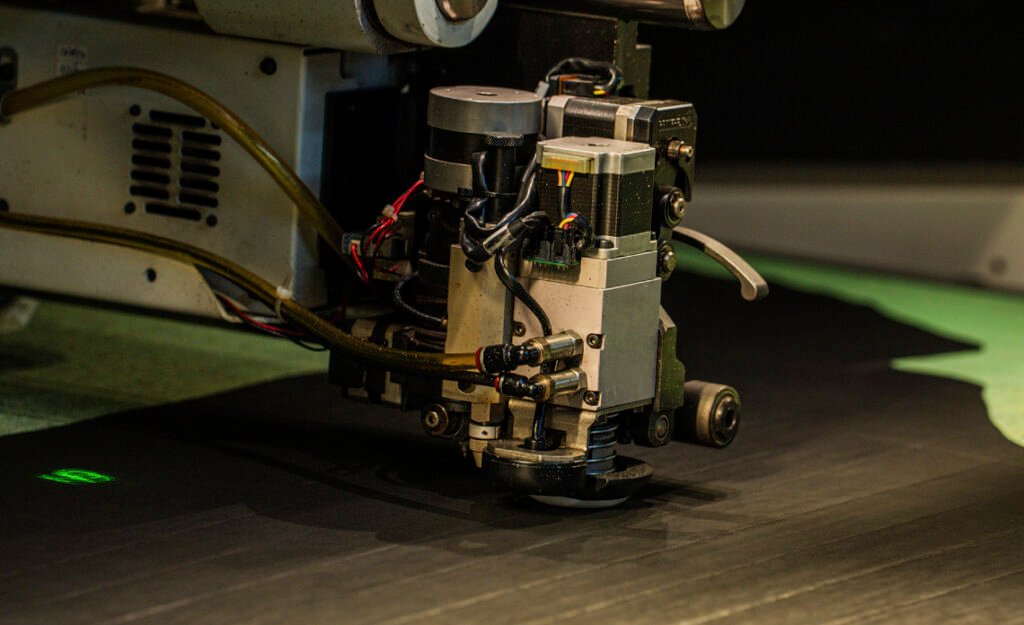
Choosing materials is one of the key steps in developing a bag. Even though materials are a major part of the cost, picking the cheapest option doesn’t always mean the overall cost will be lower or that you’ll make more profit. What you should consider is selecting materials that suit the product design, usage, desired quality, and planned price, so that the cost and quality of the bag stay balanced.
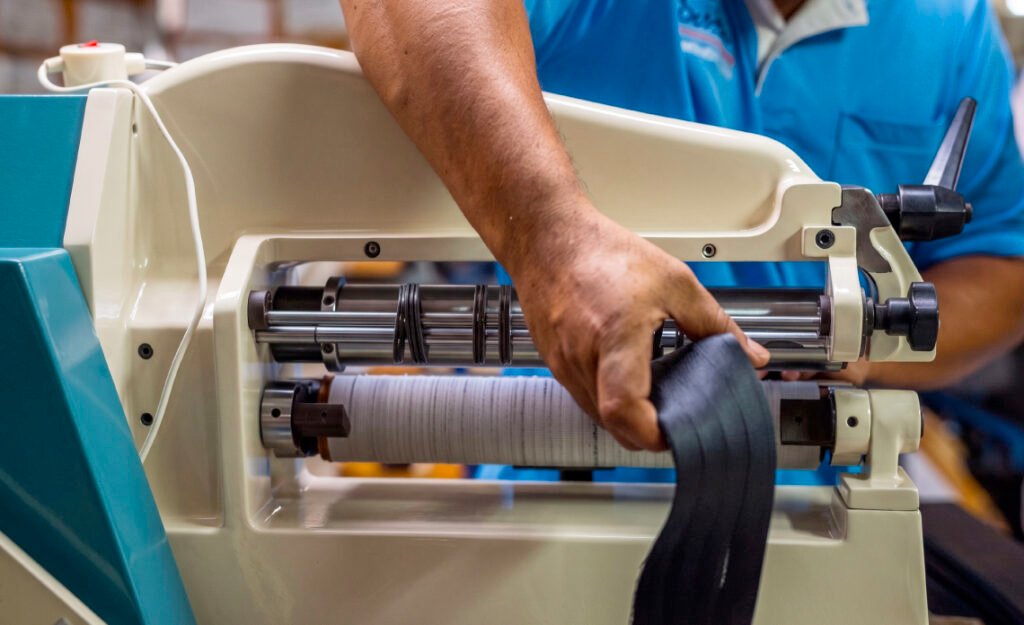
For brands working with a bag factory, this article shares a few key tips to consider before choosing materials, helping you control costs while still delivering a product that meets your quality standards.
-
Start with the Product’s Price Position
Before choosing a material, define the target selling price and market position of the bag. A premium product may require a higher-quality material and more refined details, while an everyday bag may benefit from a practical material that offers a better balance between cost and performance.
Starting with the intended price range gives the production team a clearer cost framework and helps prevent spending too much on materials that may not be necessary for the product.
-
Match the Material to the Bag’s Purpose
Different types of bags have different needs. For example, work bags need a strong structure, while casual bags focus on being lightweight and flexible. Choosing materials that suit actual use can help cut unnecessary costs.
-
Look Beyond Unit Price to Actual Usage
Material cost is only part of the equation because the bag size, pattern layout, and cutting efficiency all affect the cost. A well-planned pattern layout can reduce leftover scraps and make the most out of the material for each piece.
-
Build a Long-Term Relationship with Trusted Suppliers
Working consistently with reliable material suppliers can lead to better pricing through bulk purchasing, more stable material quality, and fewer production delays caused by material shortages. A manufacturer with strong, long-standing supplier relationships can also offer brands more flexibility in testing new materials or adjusting orders during production, which is difficult to achieve when sourcing from new suppliers each time.
Source: https://suvinocorp.com/en/